


CORE TerraTrack Lite
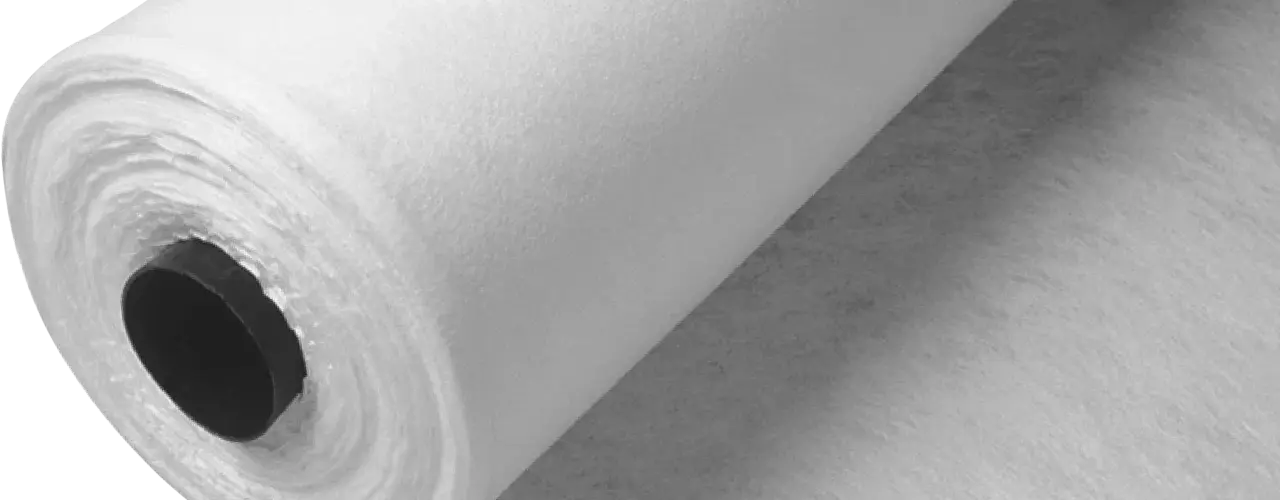
Nonwoven geotextile
A manageable roll for smaller jobs. Separation and filtration beneath driveways, paths and hardstandings.
Product details
Membranes and geogrids for separation, filtration and reinforcement.
Start with what the layer needs to do. Our range of woven and nonwoven geotextile membranes and biaxial geogrids supports everything from garden paths and driveways to larger groundworks.
Geotextiles keep materials separated while allowing water to pass through. Geogrids interlock with suitable aggregate to reinforce the granular layer. Each has a different job in the build-up.
Keep the sub-base and underlying soil apart to help maintain the designed build-up.
Explore geotextiles ↗Allow water to pass while retaining soil particles. Select the membrane to suit the ground and drainage requirements.
Explore geotextiles ↗Use aggregate interlock to restrict lateral movement within a designed granular layer.
Explore CORE BIAX ↗From compact rolls to full-roll groundworks, explore the geotextiles available across CORE.
Showing all 6 geotextiles
Nonwoven geotextile
A manageable roll for smaller jobs. Separation and filtration beneath driveways, paths and hardstandings.
Product detailsNonwoven geotextile
A robust nonwoven option for protection, separation and filtration where the project calls for higher performance.
Product detailsNonwoven geotextile
Full-roll separation and filtration for general groundworks, drainage and landscape construction.
Product detailsNonwoven geotextile
A robust separation layer beneath driveways, pathways and hardstandings, with filtration for drainage applications.
Product details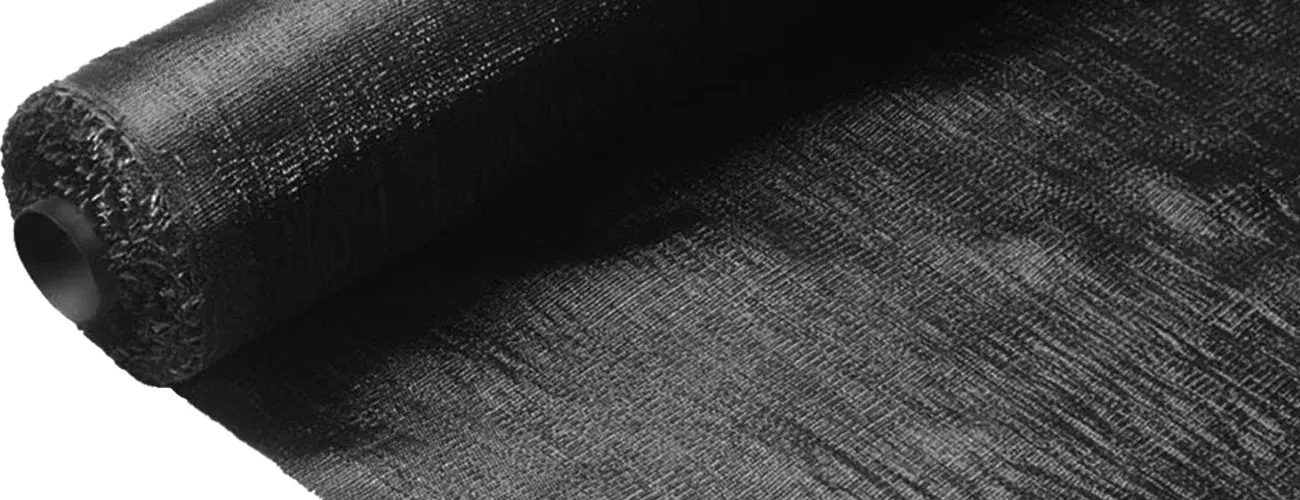
Woven geotextile
A black woven membrane for separation beneath sub-bases and hardstandings. The FasTrack 609 range also provides a weed barrier beneath bark and planted areas.
Product details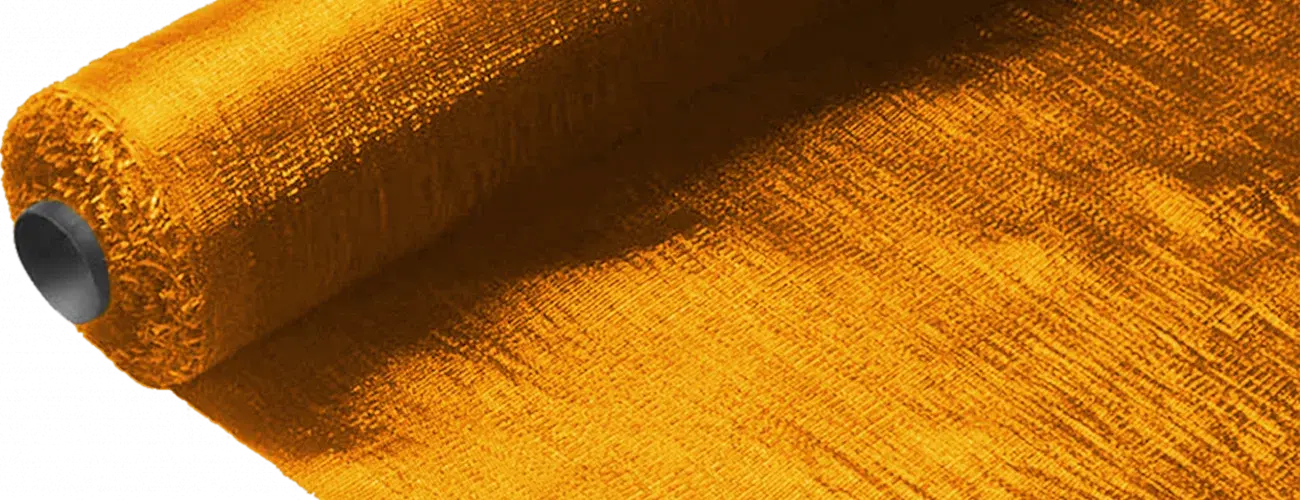
Woven geotextile
A high-visibility woven geotextile for separation and a clearly identifiable layer within the ground build-up.
Product detailsNonwoven membranes are commonly selected for separation, filtration and protection. Woven membranes provide separation with tensile strength. Both can be permeable: match the opening size, water flow and strength to the job.
Reinforcement for granular sub-bases, capping layers, roads and working platforms, including construction over weaker ground.
The open grid allows compatible aggregate to interlock, restricting sideways movement and helping the layer distribute loads. CORE BIAX provides reinforcement in two directions.
A reinforced design can reduce the amount of aggregate needed, but any reduction in sub-base depth must be established for the actual ground, traffic and loading.
Discuss your project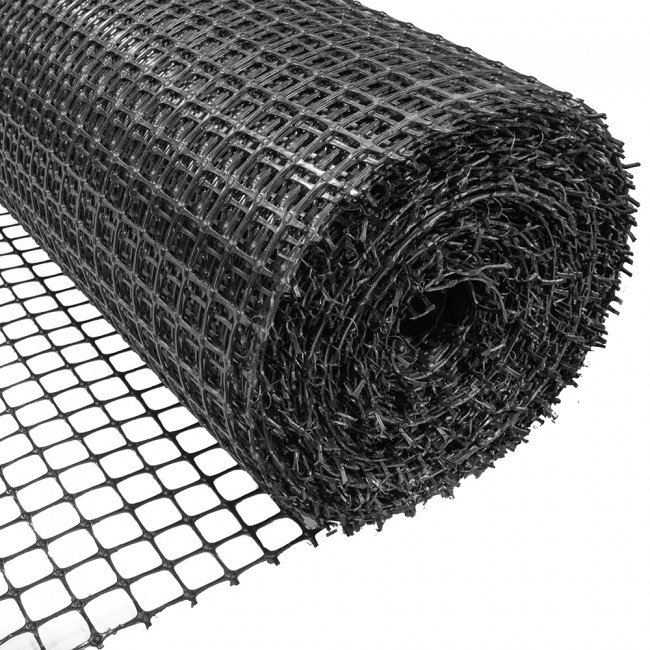
CORE BIAX is a flat, open grid laid within the granular build-up. “Biaxial” means it provides tensile strength in two directions: along the roll and across it.
As compatible angular aggregate is compacted, particles engage with the grid apertures. This interlock restrains sideways movement and helps the reinforced layer spread loads, reducing deformation under repeated traffic.
The grid works with the aggregate. It is buried beneath the finished surface, rather than used as an exposed driving surface.

Reinforce granular layers beneath temporary construction access and permanent access roads on weak or variable ground.
Support the sub-base beneath parking areas, storage yards and other surfaces exposed to repeated vehicle movements.
Form part of a designed granular platform for construction activity. Plant loads and ground conditions must inform the specification.
Add reinforcement beneath the surface where the ground conditions and expected traffic call for it.
Start with the ground, the loading and the proposed build-up. Compare the declared strengths below, then confirm the specification for your project.
20 kN/m
Declared tensile strength in both machine and cross directions.
View specifications30 kN/m
Declared tensile strength in both machine and cross directions.
View specifications40 kN/m
Declared tensile strength in both machine and cross directions.
View specificationsThe grade number is a tensile-strength designation, not a vehicle load rating. Select the grade, aggregate and layer thickness as part of the project design.
Different jobs within the same ground build-up.
A flat reinforcement grid. Aggregate interlocks with its openings to help restrain lateral movement.
A permeable fabric selected for separation and filtration. It may be used alongside BIAX to prevent soil and aggregate mixing.
Explore membranesA three-dimensional cellular structure that contains infill. It has a different role from a flat geogrid and is selected as part of the complete system.
Plan the layer position, overlaps, aggregate and compaction before starting. Follow the current product guidance and approved project detail.
Open the installation guideIt can support a more efficient reinforced design. A reduction in excavation or aggregate depth must be calculated for the ground, loading, aggregate and grid properties. There is no universal percentage saving.
No. Tensile strength is one input. Formation strength, traffic, aggregate compatibility and the designed layer thickness also matter. The 20, 30 and 40 designations are not vehicle weight limits.
Share the intended use, vehicle or plant loading, ground investigation or CBR information if available, proposed aggregate and construction depths, area and any drawings. We can help identify the product options and any further design information needed.
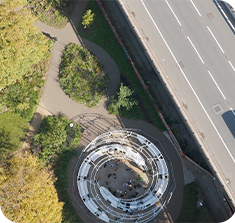
Effective drainage, filtration, separation and structural reinforcement provide versatile support for roads, erosion control, drainage systems and everyday landscaping.
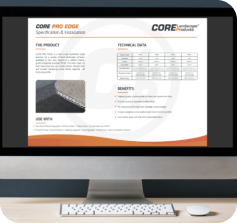
Product information, installation guidance and technical specifications.
Browse our online geosynthetics range, or speak to us about the grade and quantity your project needs.
View ProductsCopyright CORE 2026 Website design and marketing by KEATESMEDIA & UnityOnline

