

Paddocks & turnout
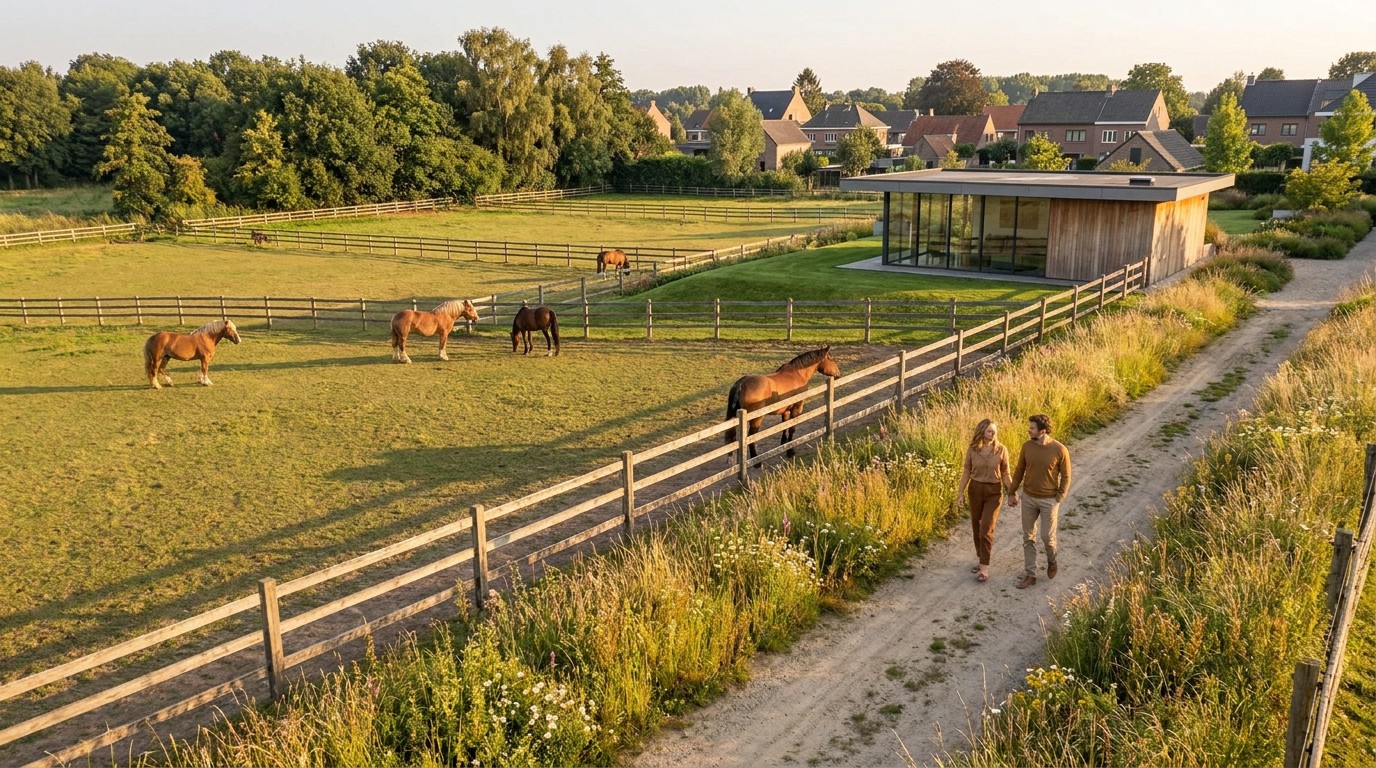
Reinforcement for paddocks and pastures, with particular attention to busy areas around feeders, gateways and watering points.
Ground reinforcement for paddocks and arenas
Strong connections.
Flexible ground reinforcement.
Meet the new 40mm grid for paddocks, horse arenas and grass access areas. Curved cells bring flexibility into a connected, load-spreading foundation.
Flexible cell geometry. Strength across the whole surface.
The curved cells of CORE EQUESTRIAN give the grid its flexibility. Thicker cell walls resist twisting, closely spaced connections hold neighbouring panels together, and a broad underside spreads loads into the supporting base.
For horses, the complete surface matters. The grid provides reinforcement beneath an appropriately specified riding layer, where cushioning and hoof-impact response are managed through the choice of material, depth and maintenance.
See the specification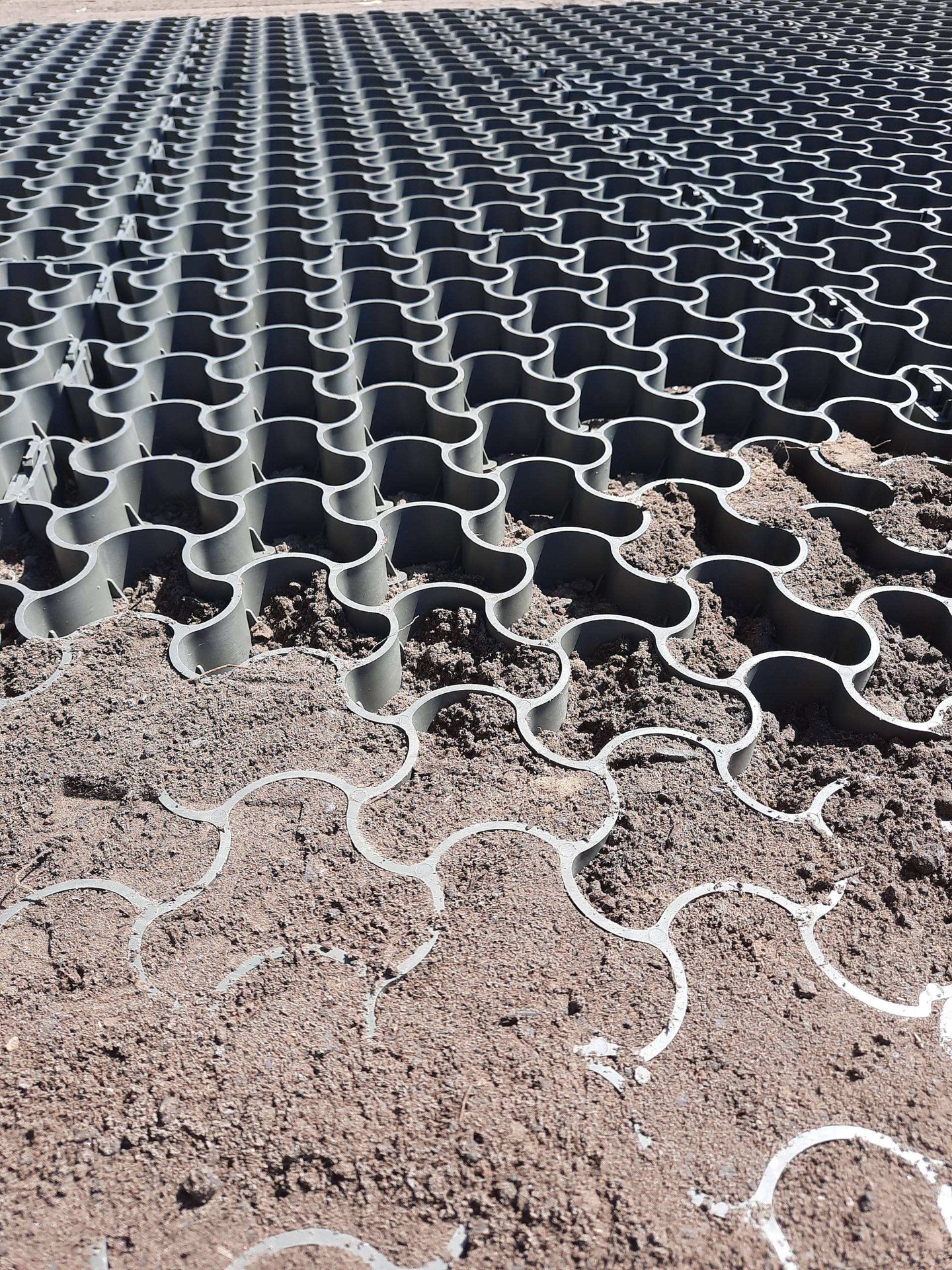
Reinforcement for paddocks and pastures, with particular attention to busy areas around feeders, gateways and watering points.
Plan a complete construction for indoor and outdoor arenas, manèges, round pens and automatic walkers. Choose the riding layer for your discipline and routine.
Consider grass access routes and surrounding yard areas alongside the spaces where horses train and rest. For floors inside stables and stalls, explore CORE STABLE MAT.
Different uses need different surface build-ups. Our team can help you consider the ground, drainage, loading and finished surface together.
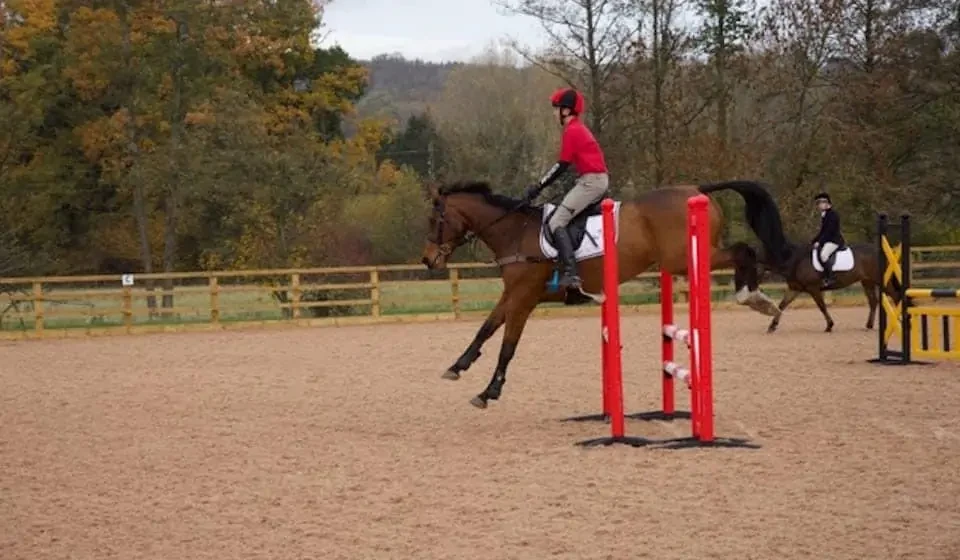
A blend of equestrian silica sand, stabilising fibres and a wax coating, designed to provide consistent footing for regular riding.
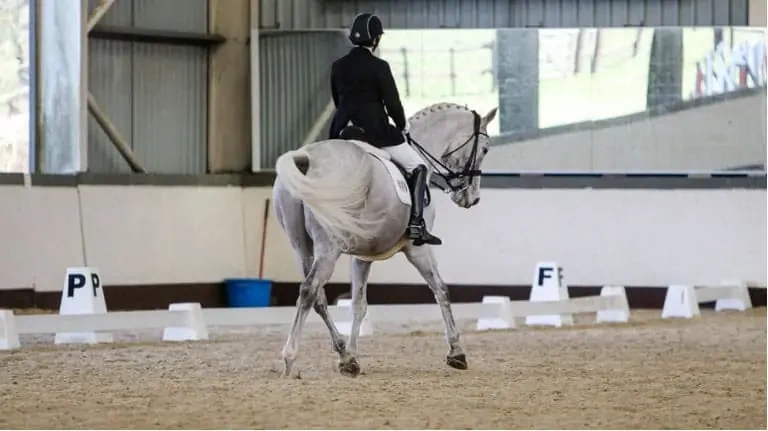
Washed equestrian silica sand combined with stabilising fibres, without a wax coating. The fibres help bind the surface and improve its consistency.
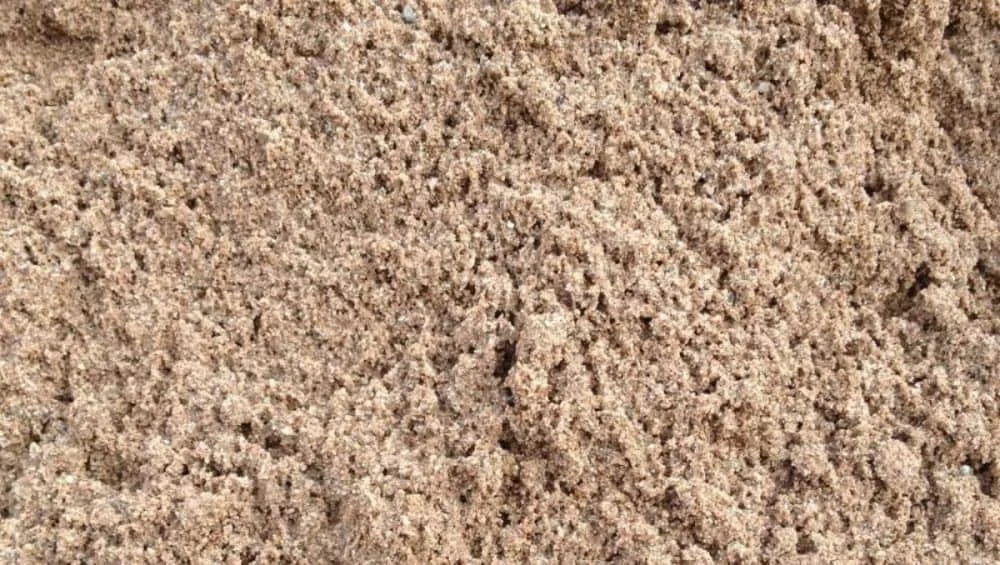
Choose sand specifically graded for equestrian use. Grain shape, particle size and cleanliness influence the finished surface’s stability, drainage and feel.
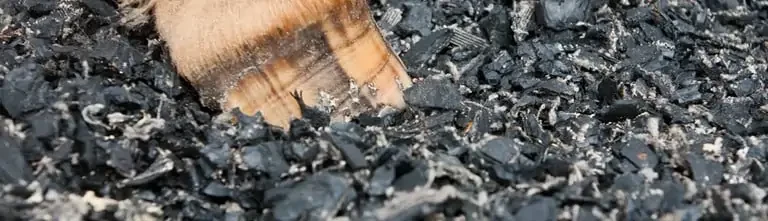
Equestrian rubber chippings can be used with silica sand to add resilience and help reduce compaction within an appropriately specified riding surface.
Not sure which finish suits your project?
Tell us how you use the space and the maintenance routine you can manage.
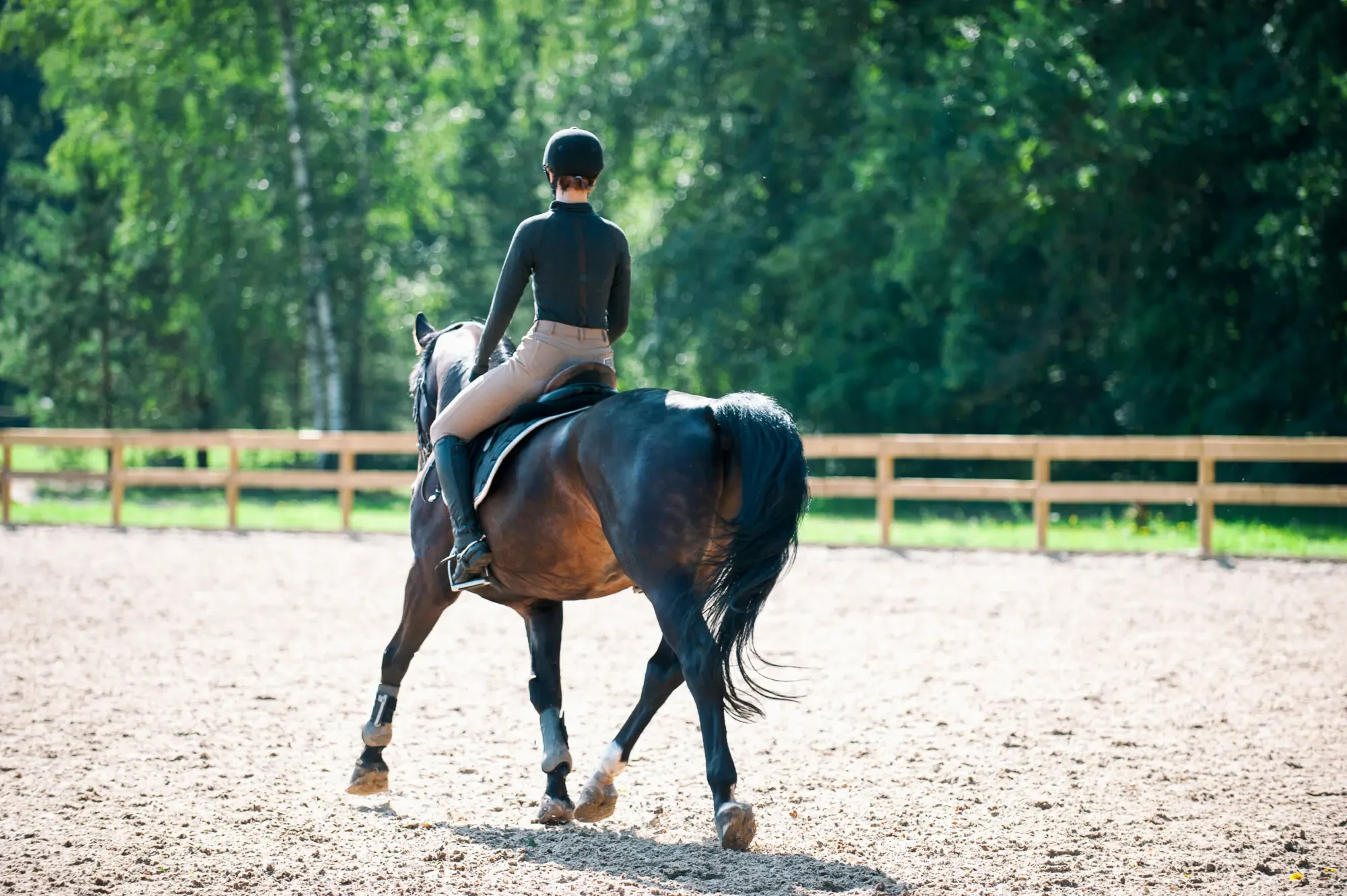
The finished surface is only as good as the construction beneath it.
An open grid can form part of a free-draining arena, paddock or manège. Connected panels spread loads through the supporting layers and help stabilise the construction beneath the finish.
Drainage, separation layers, foundation and infill must work together. The grid alone cannot correct waterlogged ground or replace a properly planned drainage system.
Explore the new grid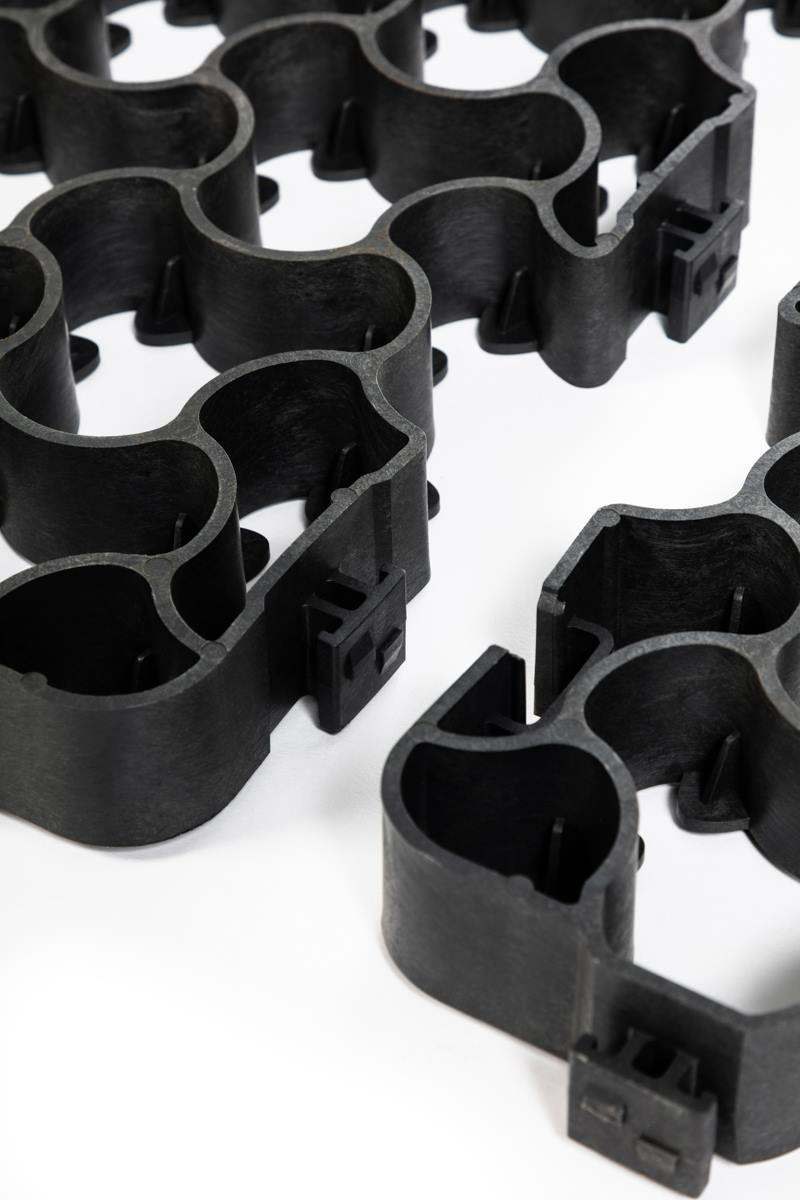
The cell geometry combines flexibility with structural support and accommodates expansion as temperatures change.
The broad contact area beneath each panel distributes loads into the supporting base, helping the complete construction work together.
Thicker cell walls resist twisting forces, an important consideration in paddocks where horses turn and move in different directions.
More than six connections per linear metre link the panels. A staggered laying pattern can add strength to the overall installation.
Comfort, grip and a practical floor to care for.
For stables and stalls, rubber matting provides a cushioned, insulating layer over a suitable floor. It is a separate flooring product from the new CORE EQUESTRIAN reinforcement grid.
Rubber adds cushioning and insulation above hard flooring, supporting a comfortable stable environment.
A textured mat offers traction. Keep bedding, drainage and cleaning in your daily routine so the floor stays in good condition.
A practical, cleanable surface for the stable. Ask the team about mat selection, fitting and care.
Practical advice, backed by more than 40 years of industry experience.
Our roots are in landscaping. We understand that the product, the installation and the finished surface need to work together. Speak to the CORE team about the ground you are working with and the result you want to achieve.
| Panel size | 785 × 585mm, excluding connections |
|---|---|
| Depth | 40mm |
| Material | 100% recycled PE/PP mix |
| Colour | Grey-green |
| Grass surface area | At least 90% |
| Connections | More than 6 per linear metre |
| Laying pattern | Aligned or staggered / running bond |
| Recyclability | 100% recyclable |
Recycled material can vary in colour and may fade towards grey over time without affecting product quality. Confirm installed coverage and quantities with CORE.
Yes. This page and its specification guide describe the new 40mm recycled PE/PP grid with a curved cell structure. For an extension to an older installation, contact CORE to confirm compatibility before ordering.
Yes, both are listed applications for the grid. The complete surface construction, including bedding, infill and any riding layer, must suit the intended equestrian use and ground conditions. Our team can help you plan the project.
Neighbouring panels click together through their edge connections. There are more than six connections per linear metre, and the panels can be laid in a staggered pattern for additional overall strength.
That depends on the site, drainage, loading and chosen finish. Speak to CORE before installation so the supporting layers and surface finish can be considered together. The downloadable guide covers planning points rather than a site-specific construction design.
Waxed sand-and-fibre blends, non-waxed sand-and-fibre, equestrian silica sand and sand-and-rubber surfaces all have different characteristics and maintenance needs. Grass is another option for appropriate access and paddock areas. The riding layer, grid and supporting construction must be specified together for the intended use.
Paddocks and horse arenas are intended applications for the new grid. Suitability depends on the complete installation, including appropriate infill, surface depth and ongoing maintenance. Ask our team about your intended use before choosing the construction.
Inspect the area regularly, keep the infill and riding layer at the specified depth, and maintain drainage. Grooming, grading and irrigation depend on the surface you choose and how intensively it is used. Reinforcement does not remove the need to look after the finished surface.
Connected panels reinforce the construction and spread loads into the supporting base. They work with the foundation and surface materials rather than replacing them. This can help create a more stable construction than loose fill alone, provided the whole build-up suits the site.
The grey-green grid is made from recycled plastic. Some colour variation is normal, and it may fade towards grey over time. This does not affect the quality of the product.
Tell us about the space and how it will be used.
Include the approximate area, ground conditions and whether you are planning a paddock, arena or access route. Our team will help you with the next step.
Prefer to speak to the team?01753 652 555Ask us about NEW CORE EQUESTRIAN.
Copyright CORE 2026 Website design and marketing by KEATESMEDIA & UnityOnline

