- Products
-
CORE EDGE Flexible Steel Edging & Tree Rings
-
CORE DRIVE Gravel Driveway Stabiliser
-
CORE Tree Root Protection ‘No Dig’ Construction
-
CORE VUBA Resin Distribution Centre
-
CORE DATUM EDGE NEW: Heavy Duty Landscape Edging
-
CORE COMMERCIAL Heavy Duty Gravel Stabiliser
-
CORE DRAINAGE Drainage Cells & Board
-
CORE PRO EDGE Aluminium Landscape Edging
-
CORE PATH Gravel Pathway Stabiliser
-
CORE WATER CRATE Soakaway & Attenuation Crates
-
CORE GRASS Grass Reinforcement & Protection
-
CORE GEOSYNTHETICS Geogrids & Geosynthetics
-
CORE PLANTERS Commercial CORE Planters
-
CORE EQUESTRIAN Specialist Equine Surfacing
-
CORE GLOW Glow In The Dark Aggregates
-
- Case Studies
- About
- Knowledge Centre

DownloadsProduct Brochures
Cpd’s & TrainingContinuing Professional Development
Latest NewsExpertise and resources to provide specifiers
Meet the TeamThe faces behind the team at CORE

TestimonialsRead all our testimonials from Trustpilot
SectorsDiscover CORE products perfect for your sector.
- Buy Near Me
- Contact


Designing Low-Maintenance Outdoor Spaces for Summer Living
In recent years, the demand for low-maintenance gardens has surged as homeowners increasingly view outdoor spaces as extensions of their homes. These spaces are not just for visual pleasure but are functional areas for relaxation and entertainment. As a result, professionals in landscaping and architecture are seeking innovative solutions to meet this growing need.
Why Low-Maintenance Gardens Are in High Demand
Busy Homeowners Want Simple Outdoor Spaces
Today’s homeowners lead busy lives and desire outdoor spaces that require minimal upkeep. The appeal of a garden that looks pristine without constant attention is undeniable. This trend is driven by the need for simplicity and efficiency in managing one’s home environment.
Rising Popularity of Outdoor Entertaining
With outdoor entertaining becoming more popular, there is an increasing emphasis on creating spaces that are both inviting and easy to maintain. A well-designed garden can serve as a perfect backdrop for social gatherings, offering a seamless blend of nature and comfort.
Key Features of a Low-Maintenance Garden Design
Gravel and Resin Pathways
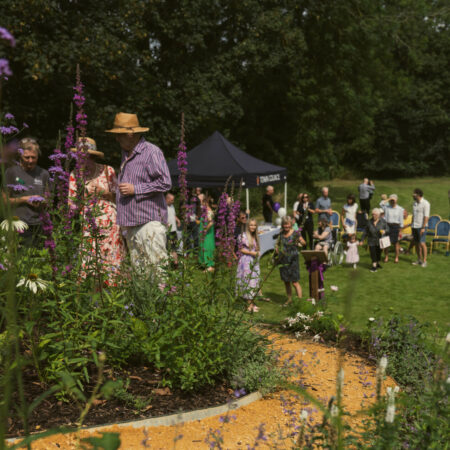
Gravel and resin pathways are durable and easy to maintain, making them a popular choice for low-maintenance gardens. These materials provide a stable surface that requires little attention, offering both functionality and charm.
Defined Lawn Edging
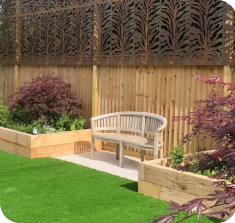
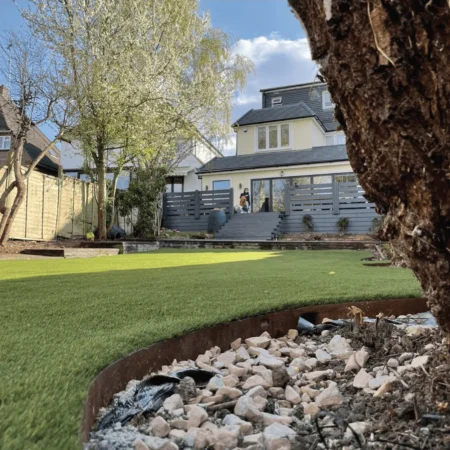
Defined lawn edging is essential in preventing grass from encroaching into garden beds, reducing the time spent on trimming and maintenance. This feature helps maintain a neat and orderly appearance throughout the garden.
Stabilised Surfaces
Stabilised surfaces, such as those using CORE Landscape Products, reduce the shifting of gravel and other materials, minimising the need for frequent adjustments. This innovation ensures that garden paths and surfaces remain intact and visually pleasing with minimal effort.
Creating Functional Outdoor Living Areas
Outdoor Dining and Seating Areas
Incorporating outdoor dining and seating areas into garden designs enhances the usability of the space. These areas should be designed with durable materials that withstand weather conditions, ensuring longevity and ease of maintenance.
Garden Pathways and Access Routes
Strategically placed garden pathways and access routes not only add to the visual appearance but also improve the functionality of the space. Ensuring these pathways are made from durable materials will reduce maintenance needs and enhance the overall garden experience.
Choosing Durable Landscaping Materials
Weather-Resistant Materials
Selecting weather-resistant materials is crucial for creating a garden that can withstand the elements. These materials ensure that the garden remains attractive and functional throughout the summer and beyond, reducing the need for repairs and replacements.
Sustainable and Permeable Solutions
Sustainability is a key consideration in modern garden design. Using permeable solutions not only supports environmental goals but also contributes to the low-maintenance aspect by managing water flow effectively and reducing erosion.
Conclusion
Thoughtful design and the selection of appropriate materials are fundamental in creating low-maintenance gardens that thrive with minimal upkeep. By focusing on durability, functionality, and sustainability, professionals can design outdoor spaces that not only meet the demands of busy homeowners but also enhance their quality of life during the summer months. Visit our website for more information.
Copyright CORE 2026 Website design and marketing by Unity Online

